DREAM complex · Quiescence · Tumor suppression
How cells stop dividing—and how cancers escape the brake
The Litovchick laboratory investigates the molecular systems that decide whether a cell proliferates, enters quiescence or resumes growth. By studying the DREAM complex, DYRK1A signalling and RB-family tumor suppressors, the group aims to explain how cell-cycle control is lost in cancer and how that loss can be exploited therapeutically.
Our research
One molecular switch. Many cell-fate consequences.
The Litovchick laboratory studies how cells enter, maintain and escape quiescence, with a particular focus on the DREAM transcriptional repressor complex and its control of cell-cycle gene expression. The group connects the molecular assembly of DREAM—through RB-family proteins, E2F factors, the MuvB core and the DYRK1A kinase—to tumor suppression, cancer-cell dormancy and treatment response. Current work extends these mechanisms into lung cancer, ovarian cancer, HPV-associated disease and mutant-p53 non-small-cell lung cancer, seeking vulnerabilities that can convert growth arrest from a protective state into a therapeutic opportunity.
Read about our research programmes →Research programmes
What we study
DREAM complex control of lung tumor suppression
We investigate how failure of DREAM-mediated transcriptional repression enables lung cells to escape quiescence and acquire tumor-promoting growth programmes.
Learn more →02DREAM assembly, DYRK1A and the cell-cycle switch
We define the biochemical decisions that assemble repressive DREAM or redirect the MuvB core toward B-MYB–FOXM1 activation.
Learn more →03Quiescence, tumor dormancy and drug resistance
We study when growth arrest protects cancer cells from treatment and when disrupting quiescence creates a therapeutic liability.
Learn more →04Restoring cell-cycle control in oncogene-driven cancers
We test whether reactivating DREAM or destabilizing oncogenic proteins can expose selective vulnerabilities in HPV-associated and TP53-mutant cancers.
Learn more →Principal investigator
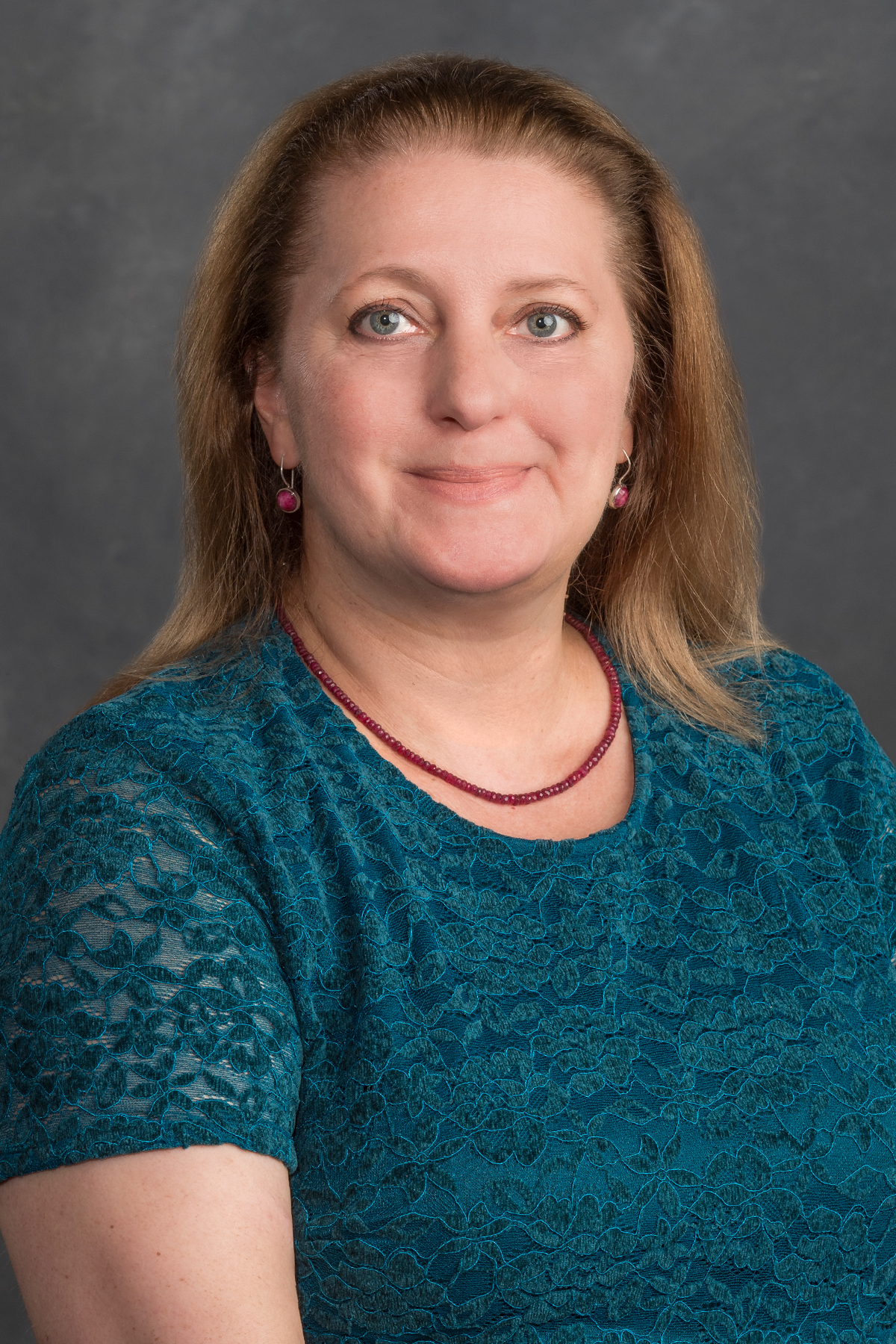
Larisa Litovchick, M.D., Ph.D.
Associate Professor of Internal Medicine
Larisa Litovchick, M.D., Ph.D., is an Associate Professor in the Department of Internal Medicine at Virginia Commonwealth University School of Medicine and a member of the Cancer Biology research program at VCU Massey Comprehensive Cancer Center. She is an Associate Director in VCU's physician-scientist training environment and has a long-standing record of NIH- and DOD-supported research on the evolutionarily conserved DREAM transcriptional repressor complex. Her work helped define mammalian DREAM, identify the DYRK1A–LIN52 phosphorylation mechanism required for its assembly, and establish links between DREAM activity, cellular quiescence, tumor dormancy and cancer therapy response.
Meet the lab →Join the lab